
Trump’s Impact on Pakistan — 5 Key Points for CSS
An analysis of U.S.-Pakistan relations under Trump, exploring transactional pragmatism, CPEC hedging, and strategic regional stability for CSS preparation.
May 28, 20265 min read read
Access rigorous analysis of Pakistan's political and economic landscape. These articles provide scholarly perspectives on domestic issues and foreign policy, specifically written for serious CSS and PMS aspirants.
An analysis of U.S.-Pakistan relations under Trump, exploring transactional pragmatism, CPEC hedging, and strategic regional stability for CSS preparation.
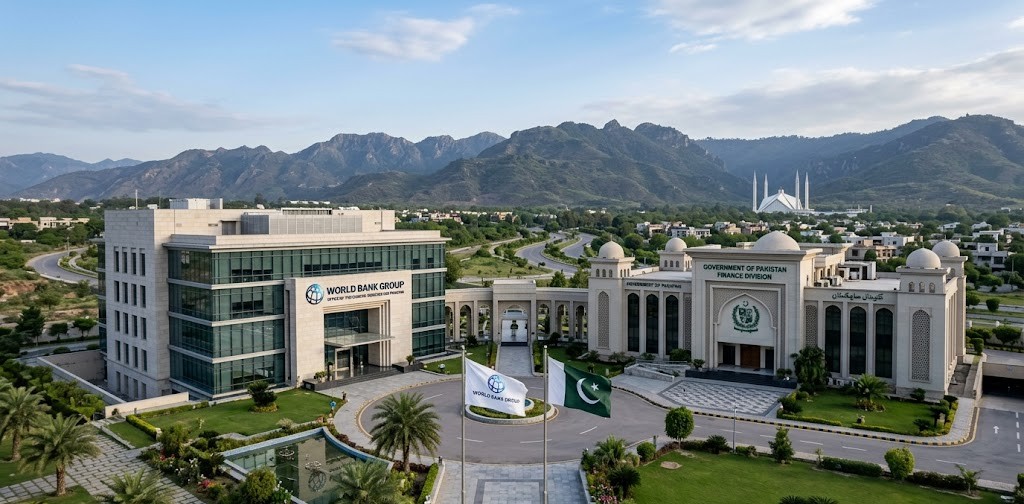
Explore the World Bank’s 2026 decision to move Pakistan from the South Asia Region to the MENAAP group. Analyze the economic shift, energy dependencies, and what this reclassification means for Pakistan's future growth and regional identity.
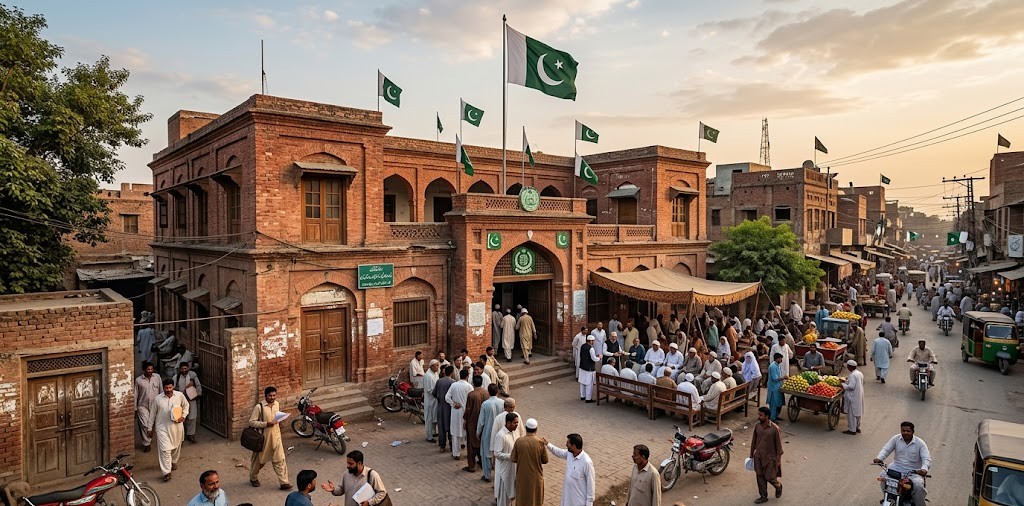
An analysis of Pakistan’s local government reform crisis, examining why Article 140-A, provincial political resistance, and fiscal gaps stall grassroots democracy.
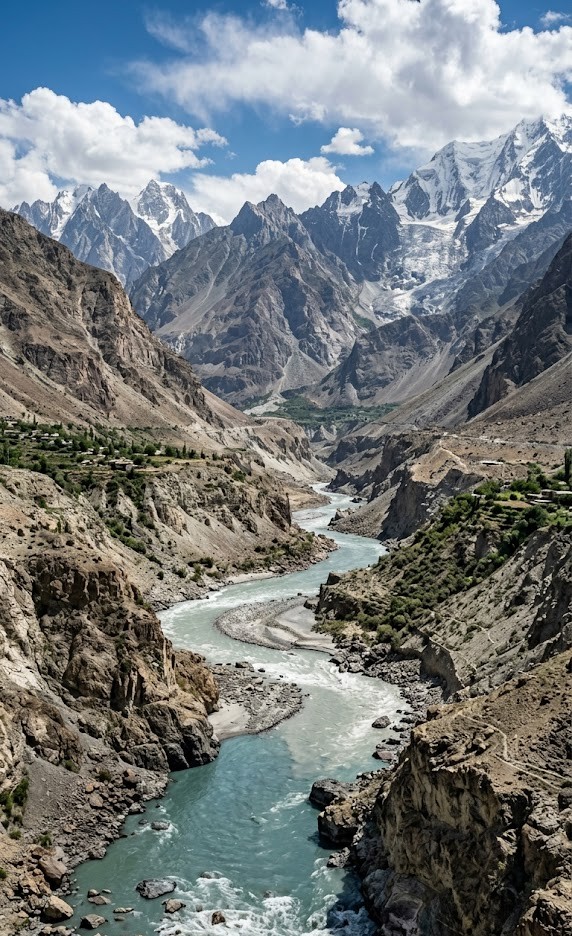
An in-depth analysis of Pakistan’s water crisis in 2026, examining the acceleration of Hindu Kush-Himalayan glacial melt and its impact on the Indus River Basin.
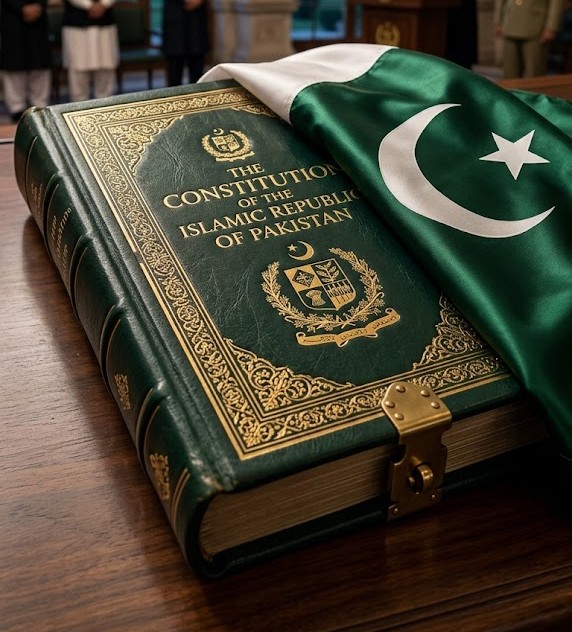
Evaluation of Pakistan’s 1973 Constitution, analyzing key amendments, the shift between parliamentary and presidential powers, and recent reforms up to 2026.

Pakistan must pivot to a circular economy to break its dependency on expensive oil imports. Discover how resource efficiency, industrial symbiosis, and urban mobility can stabilize Pakistan's economy and protect its foreign exchange reserves from global energy price volatility.
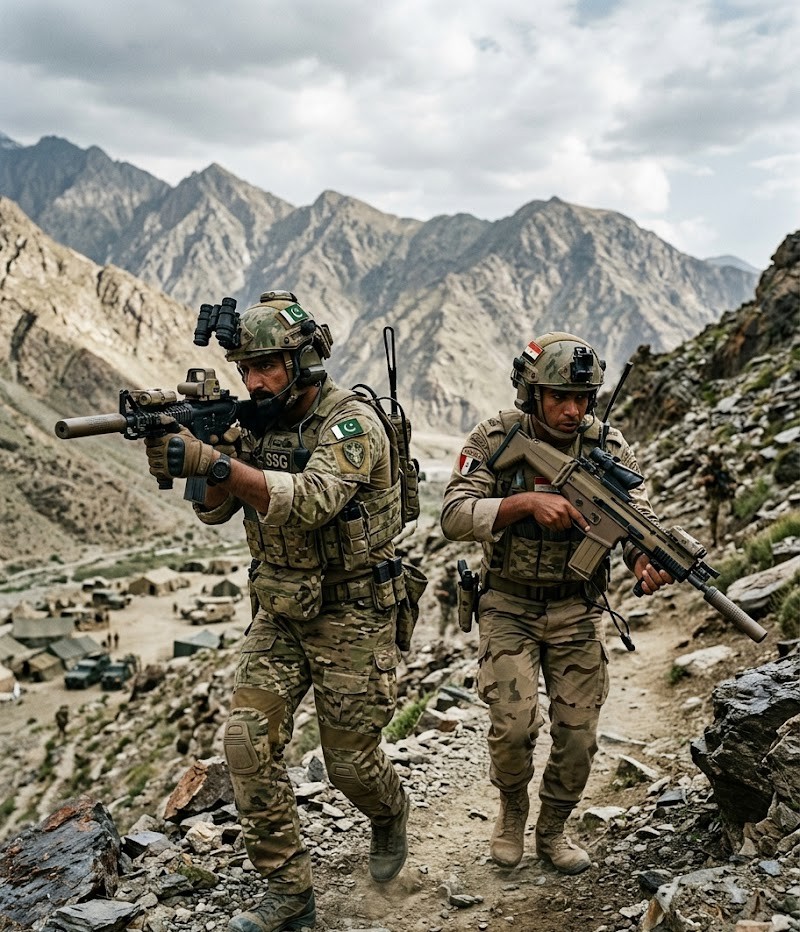
Deeply analytical insights into the Thunder-II (Raad-II) joint counterterrorism exercises in Cherat, exploring the tactical synchronization, geopolitical alignment, and strategic defense cooperation between the elite special forces of Pakistan and Egypt in a shifting global landscape.
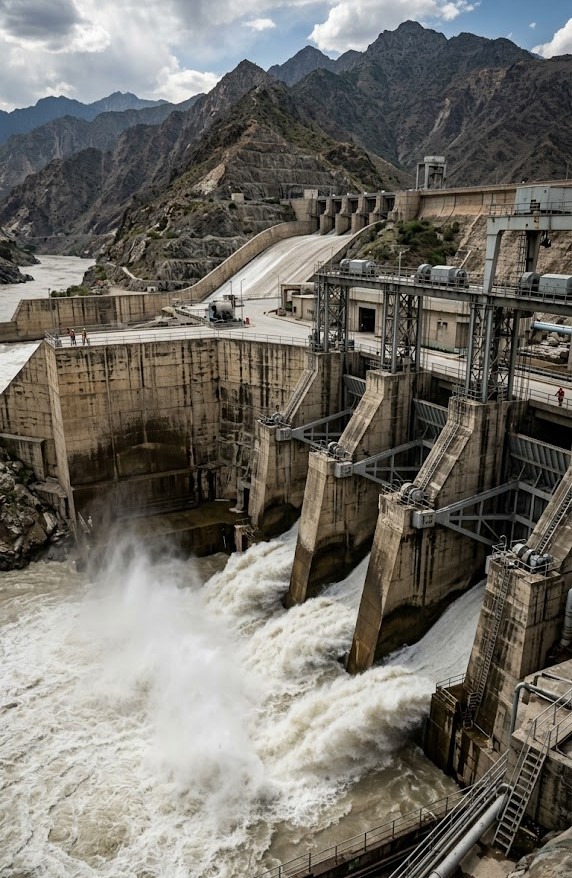
Analyze how Tarbela infrastructure delays disrupt Kharif sowing, fuel inter-provincial water disputes, and threaten Pakistan’s agricultural economic stability.
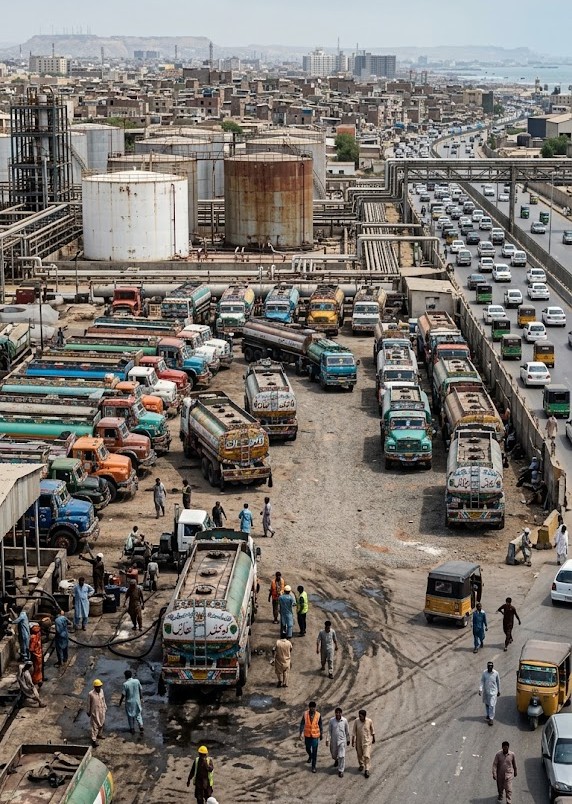
Analysis of IMF mandates for Pakistan to eliminate petroleum pricing inequities and stabilize energy sector fiscal policy.

Empowering Pakistani scholars through AI-driven tools to bypass infrastructure gaps, bridge language barriers, and democratize global scientific research.
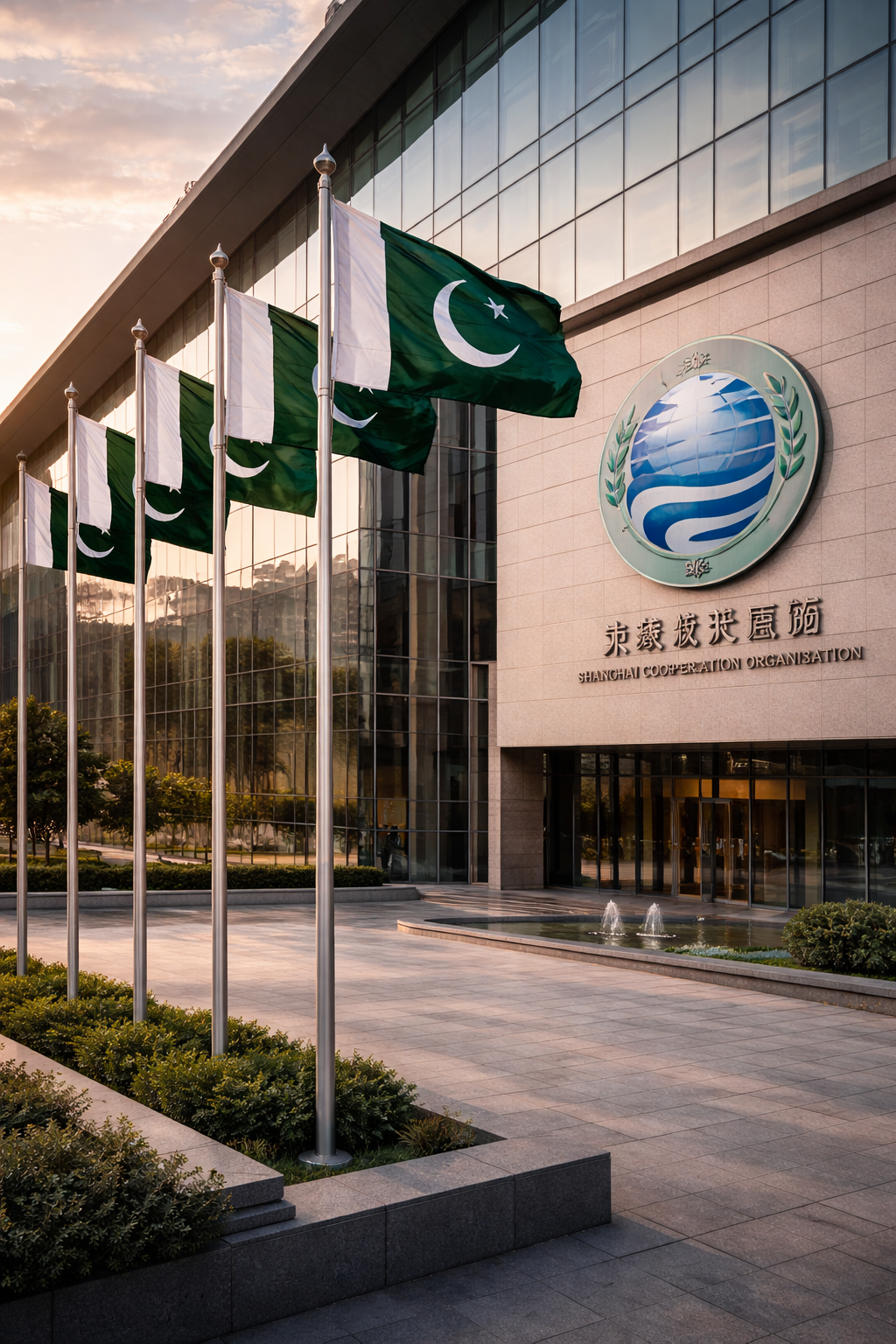
Analysis of Pakistan’s 2026 SCO-RATS chairmanship, the Tashkent Declaration, and regional security strategies for Eurasian stability.
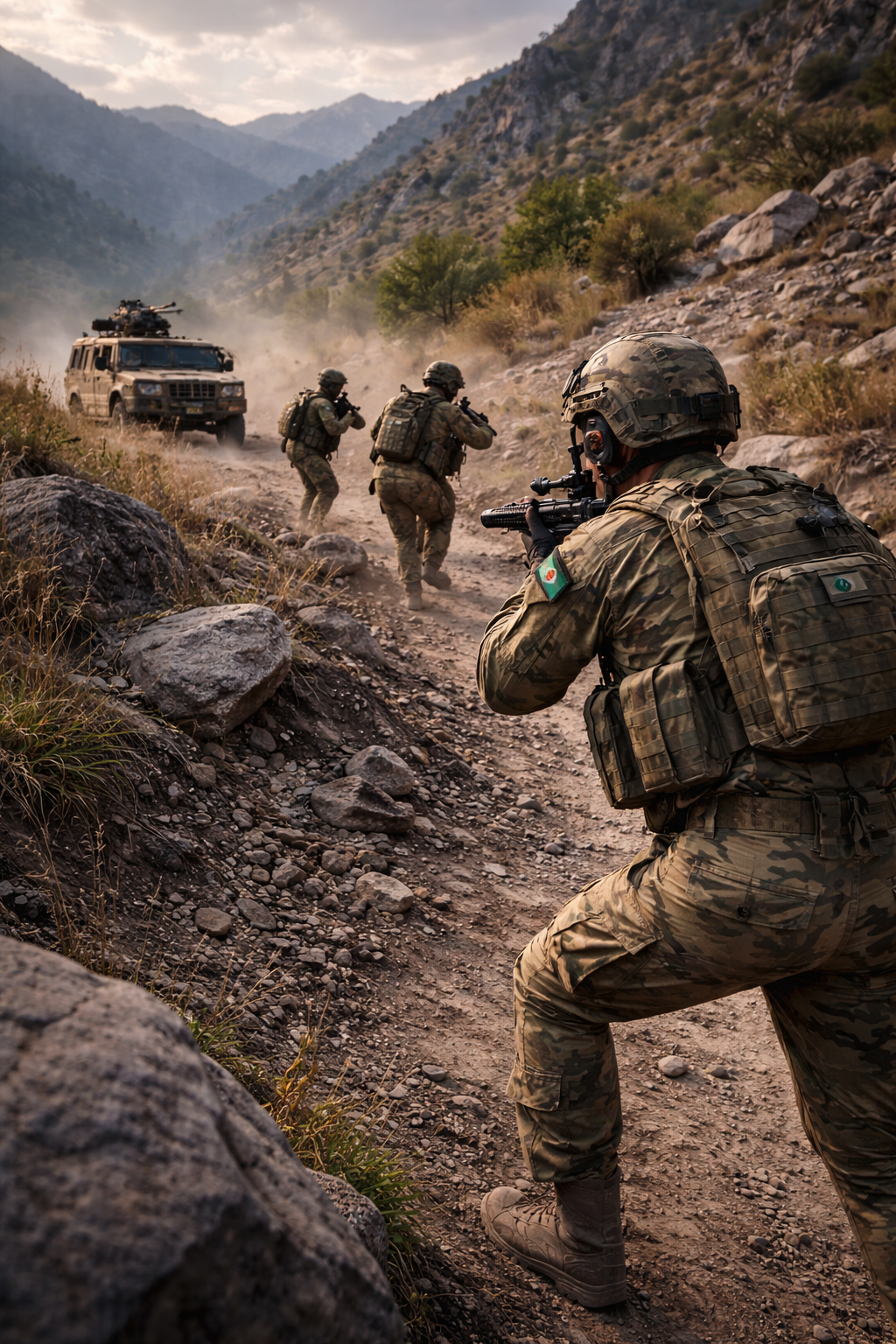
Strategic analysis of Operation Ghazab-ul-Haq, Pakistan's military shift against TTP threats and border security challenges.
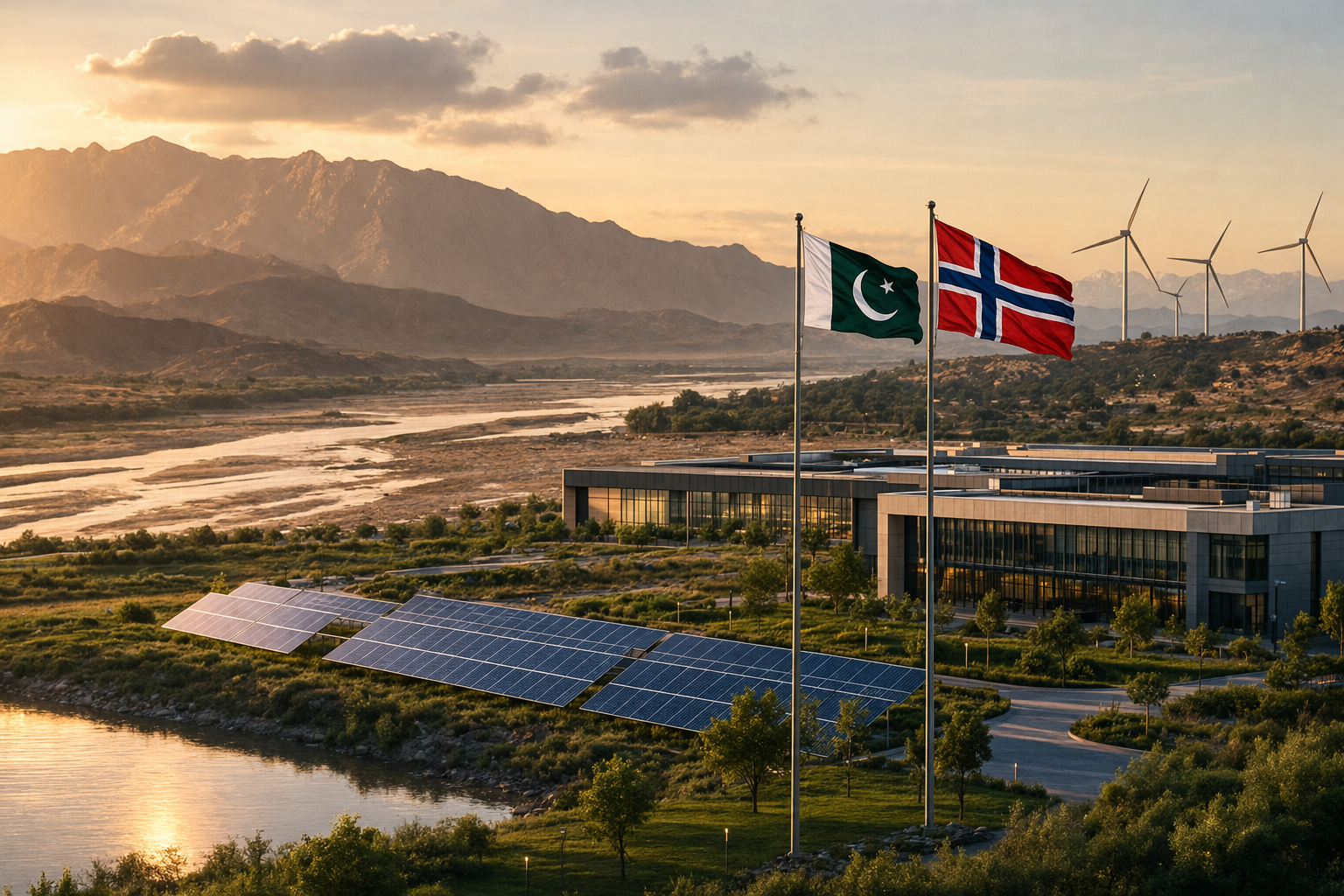
Analysis of the 2026 Pakistan-Norway agreement: A new era of debt-for-nature carbon credit diplomacy.

Energy hedging is now essential for Pakistan: stabilizing the rupee, controlling inflation, and protecting the economy from global price shocks.

An analysis of Pakistan’s transition toward a service-led economy, exploring how IT exports have become the primary driver of foreign exchange and macroeconomic resilience.
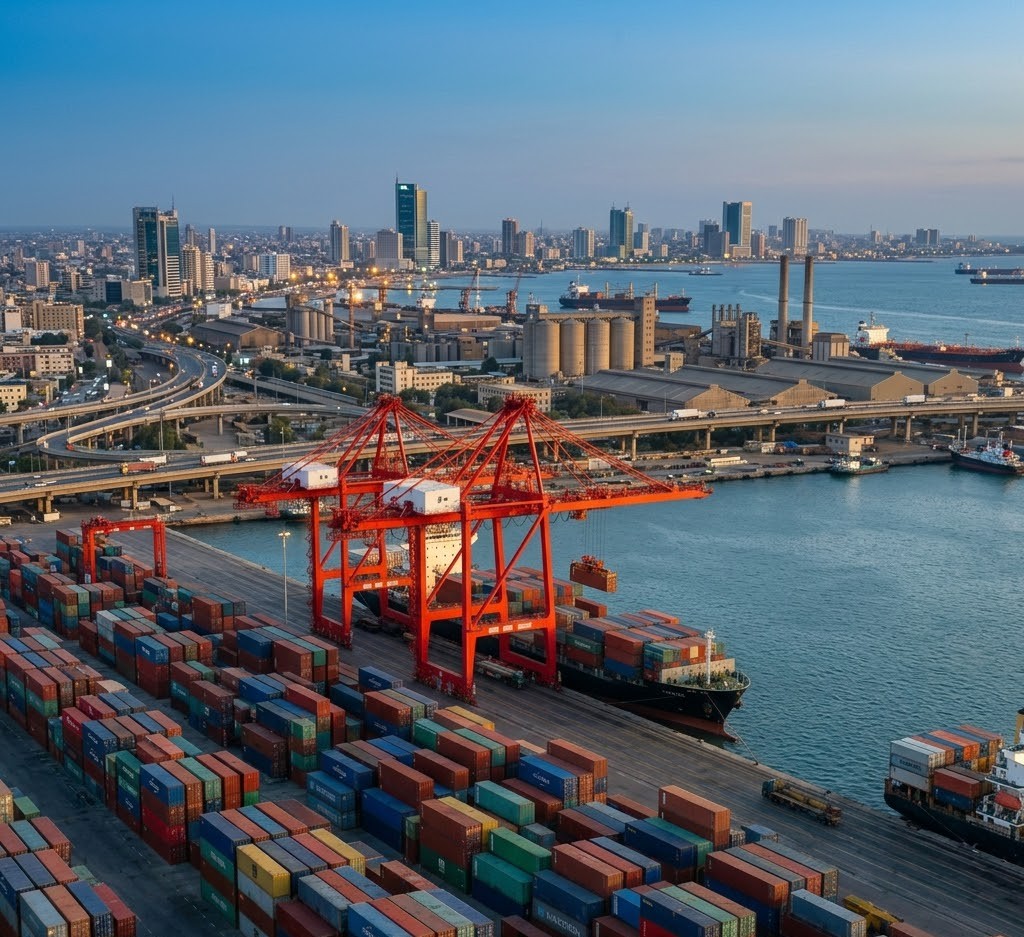
An analysis of Pakistan’s fiscal consolidation efforts against development needs, examining the structural trade-offs of debt servicing and long-term growth.
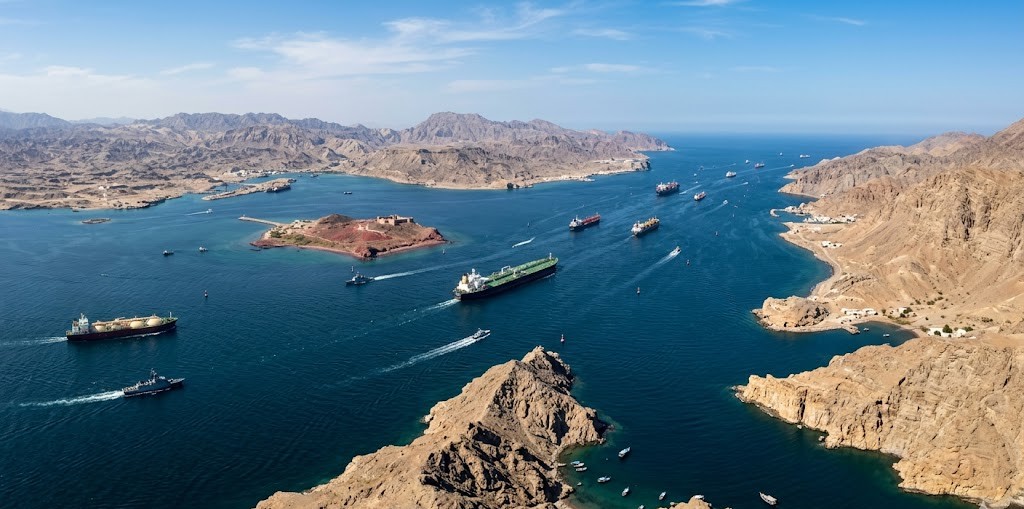
An analysis of Pakistan’s dependence on the Strait of Hormuz, evaluating the strategic risks of maritime chokepoints and the necessity of diversifying energy transit.
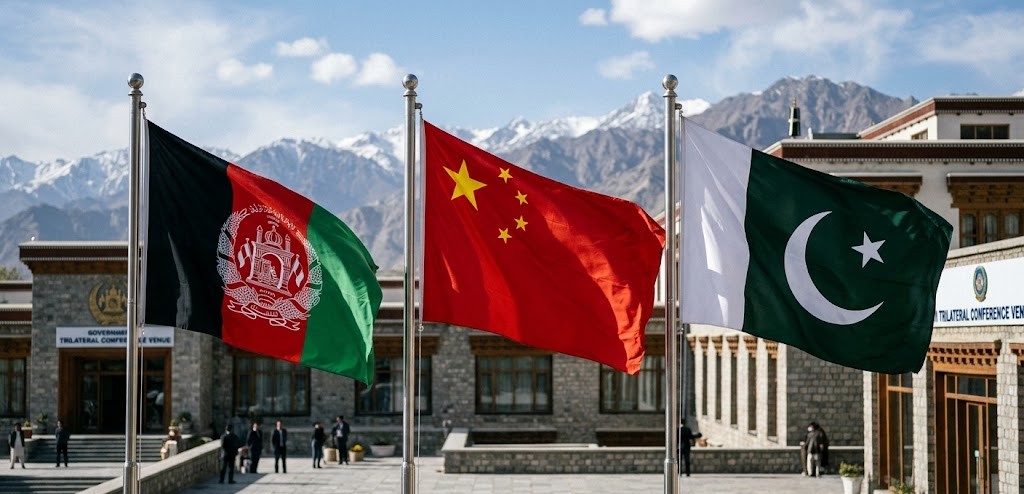
An analysis of the Urumqi Framework’s role in reshaping Pakistan-Afghanistan relations through Chinese-led regional integration and security cooperation.