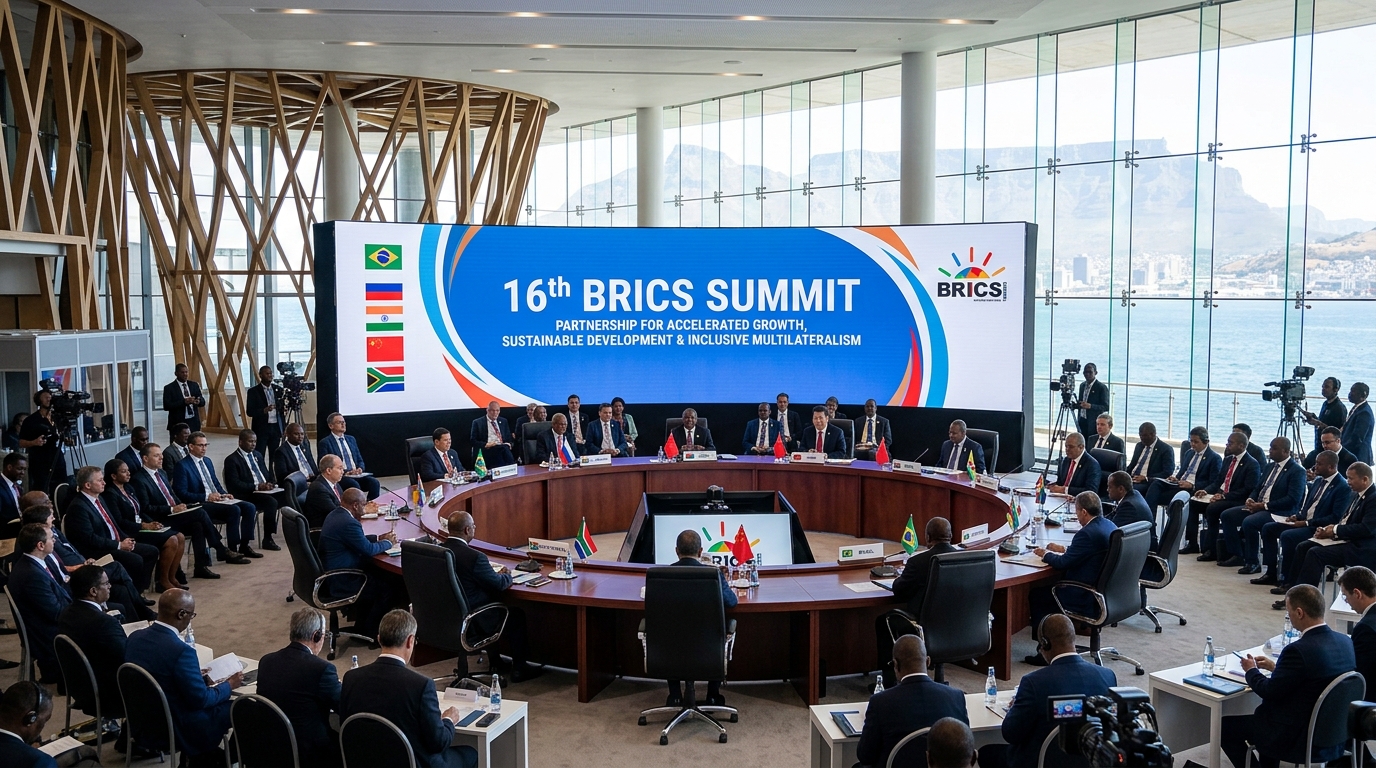
Key Takeaways from the 18th BRICS Summit (2026)
Explore key takeaways from the 18th BRICS Summit in New Delhi, covering de-dollarization, global expansion, multilateral governance, and economic strategy.
September 15, 20265 min read read
Global Affairs articles covering geopolitics, global economy, conflicts, diplomacy, and emerging trends with sharp, data-driven international analysis.
Explore key takeaways from the 18th BRICS Summit in New Delhi, covering de-dollarization, global expansion, multilateral governance, and economic strategy.
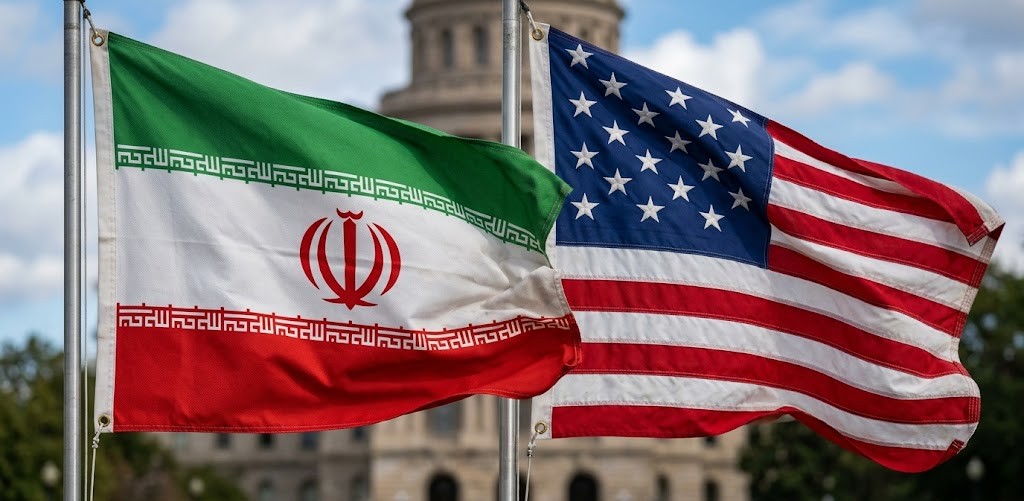
An inside look at the 14-point U.S.–Iran draft agreement detailing ceasefire terms, sanctions relief, maritime security, and nuclear standstill provisions.
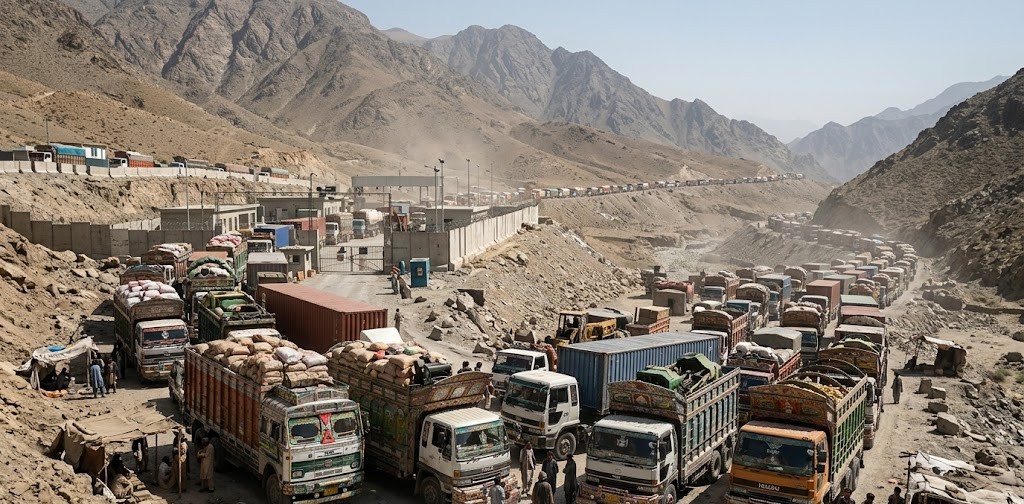
An analytical brief on how the Afghanistan trade crisis, Pakistan border closures, and Strait of Hormuz tensions deepen Kabul's economic isolation.
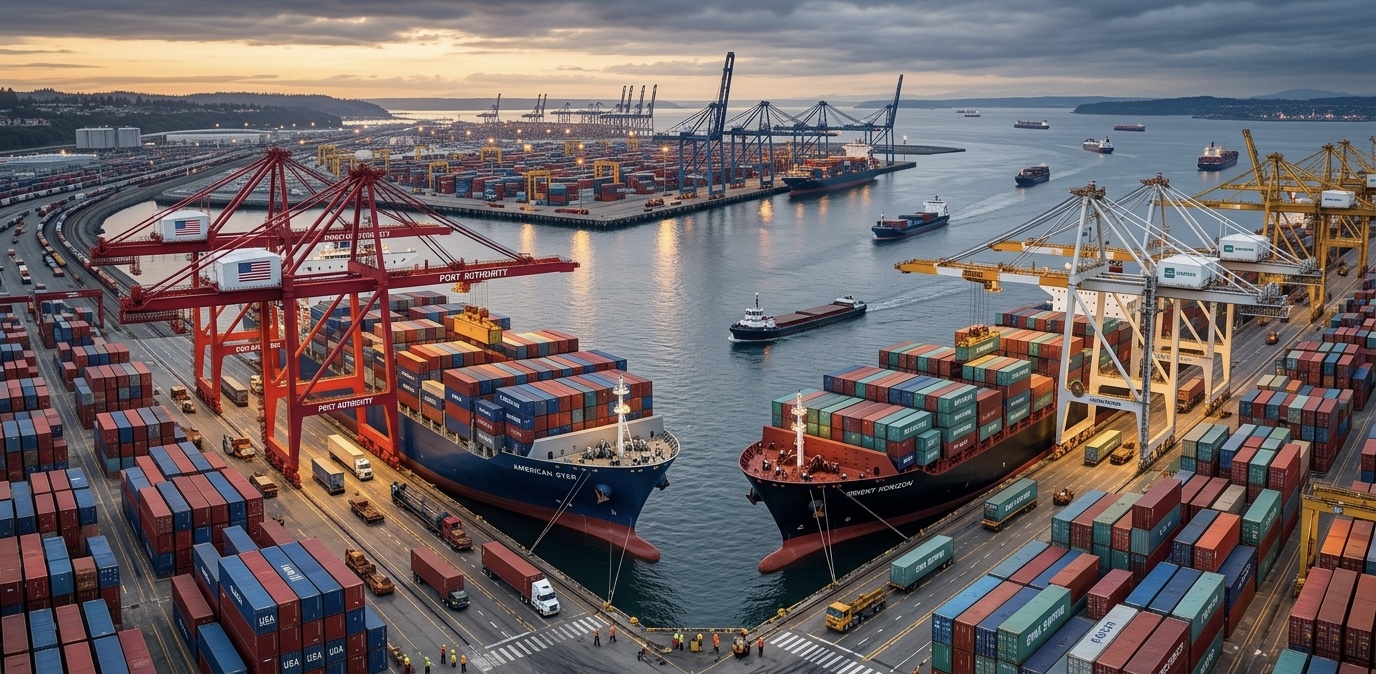
As the U.S. exits the Paris Accord, President Trump and Xi Jinping prepare for a May 2026 summit in Paris. An analysis of trade, energy, and global security.
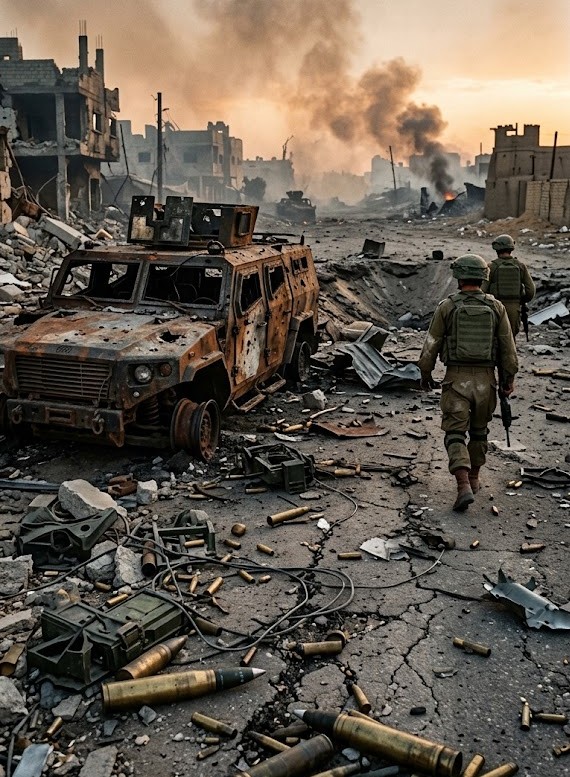
An analytical review of the 2026 USA-Israel-Iran conflict, focusing on global energy volatility, military expenditures, and long-term fiscal implications.
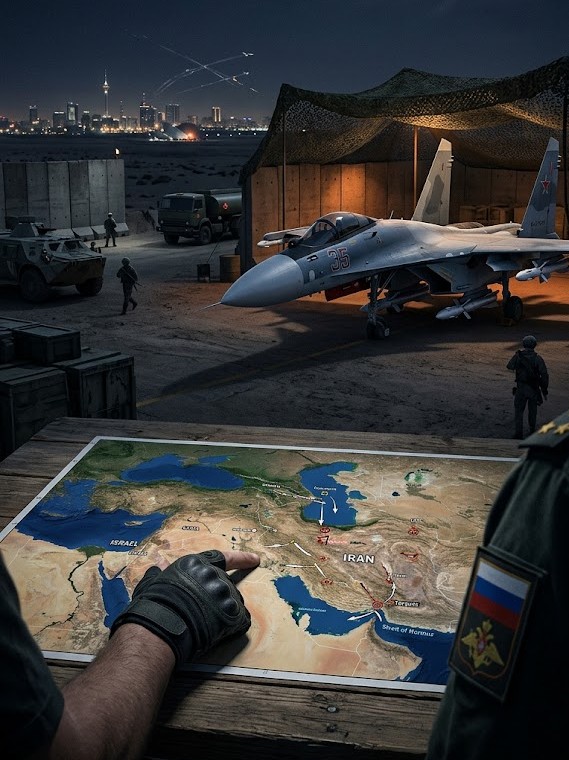
A high-level geopolitical analysis unmasking the strategic victors of the US-Israel-Iran conflict. This article examines how Russia and the Moscow-Tehran axis have leveraged regional instability to achieve escalation dominance, divert Western military resources, and reshape the Middle Eastern power balance through geoeconomic pressure and multi-vector diplomacy.
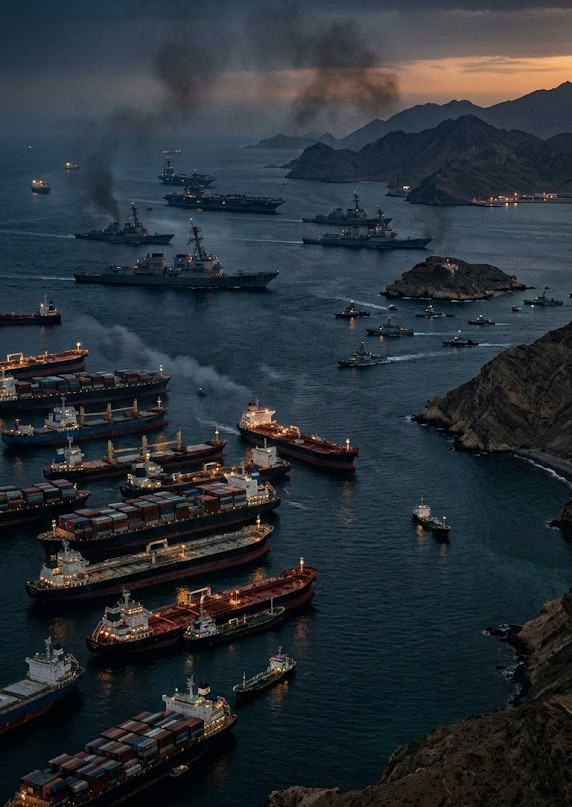
Analysis of Trump’s Tuesday deadline for the Strait of Hormuz, covering energy security, maritime trade, and geopolitical implications.
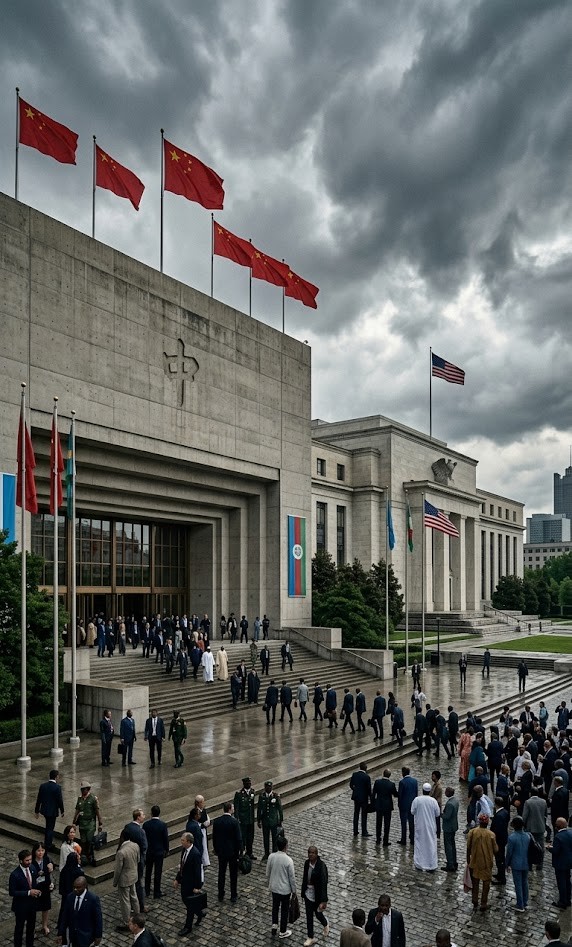
Analyze how China’s rising global approval ratings amid Middle East tensions signal a major soft power shift.
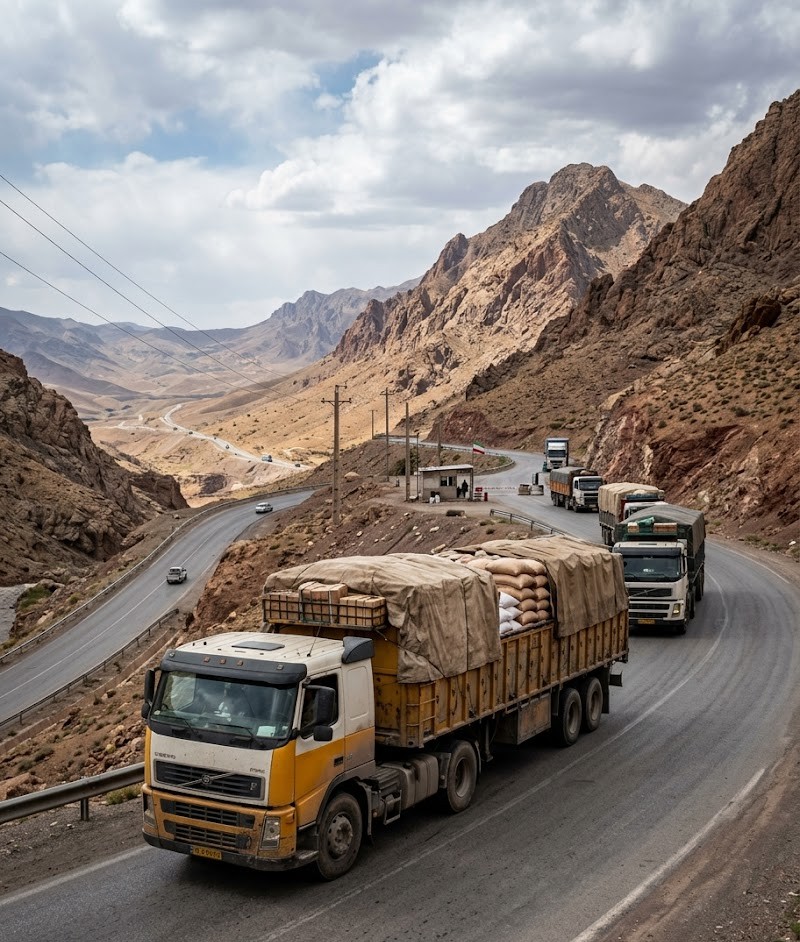
Strategic analysis of Iran’s transit policy for essential cargo
Building a multipolar Eurasian partnership through security and economic integration.
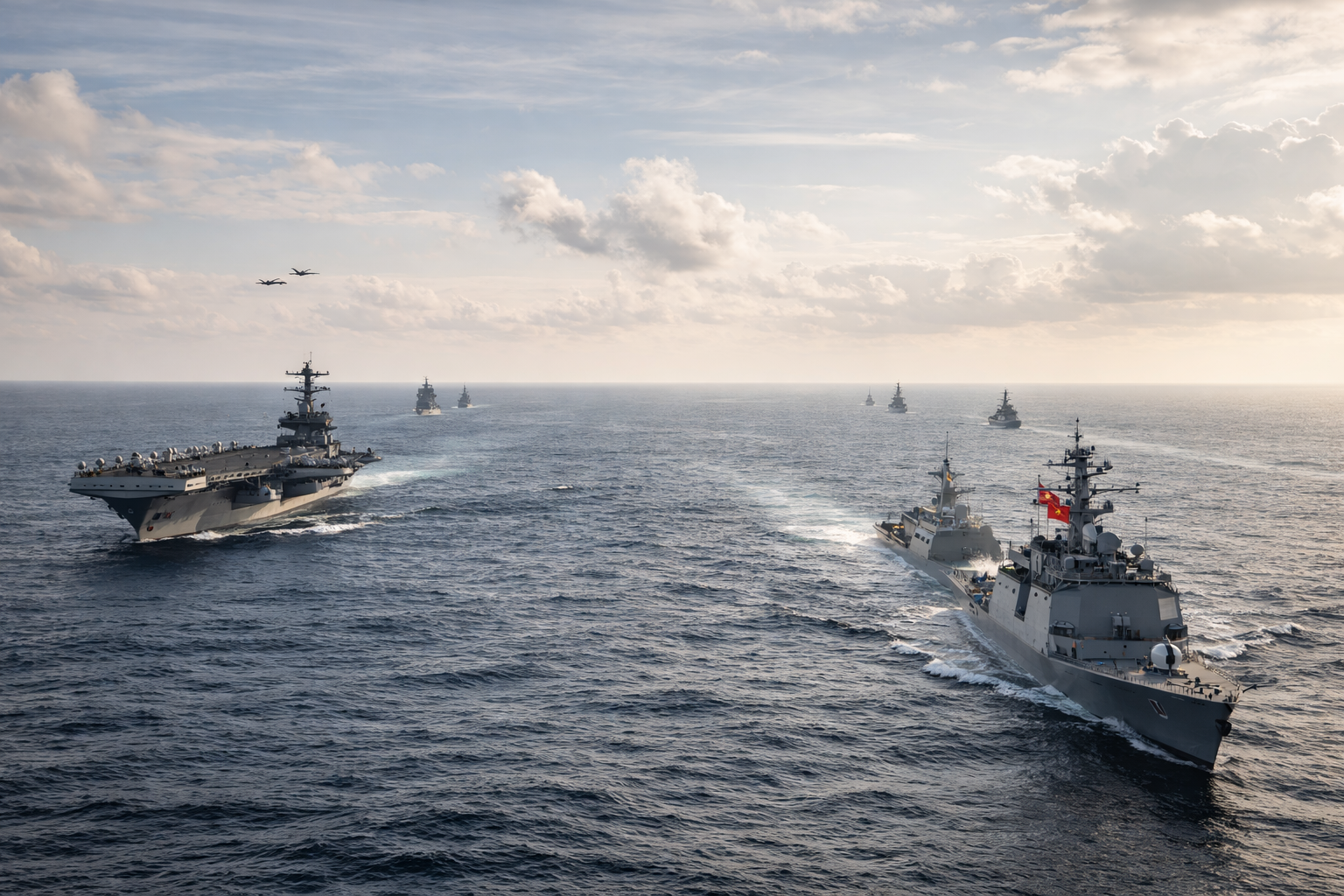
US-China strategic competition, maritime security, and economic power shifts across the vital Indo-Pacific corridor.
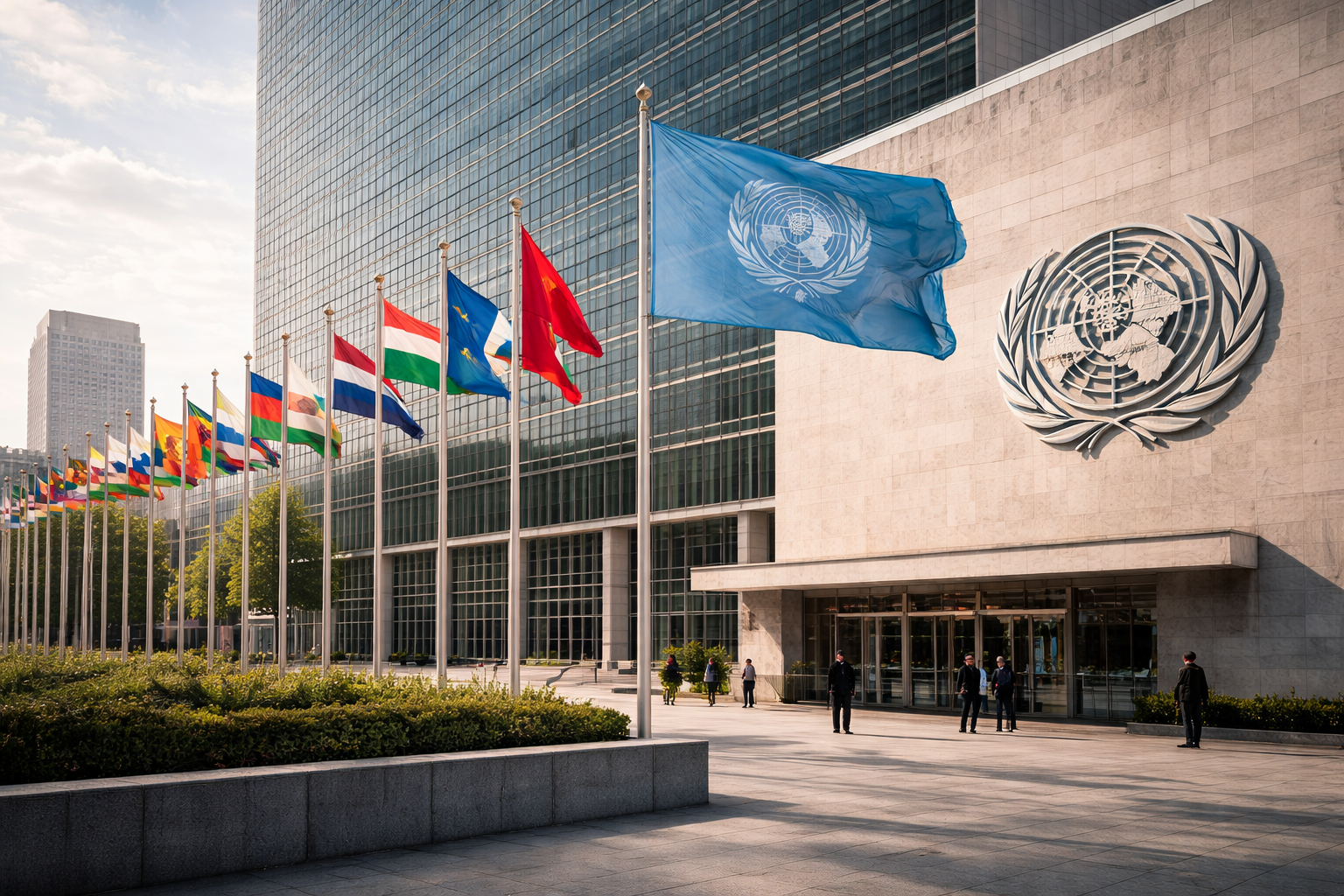
Critical analysis of UN Security Council efficacy, Great Power polarization, and the future of global security architecture