Pak Imtehan
CSS, PMS Explanations
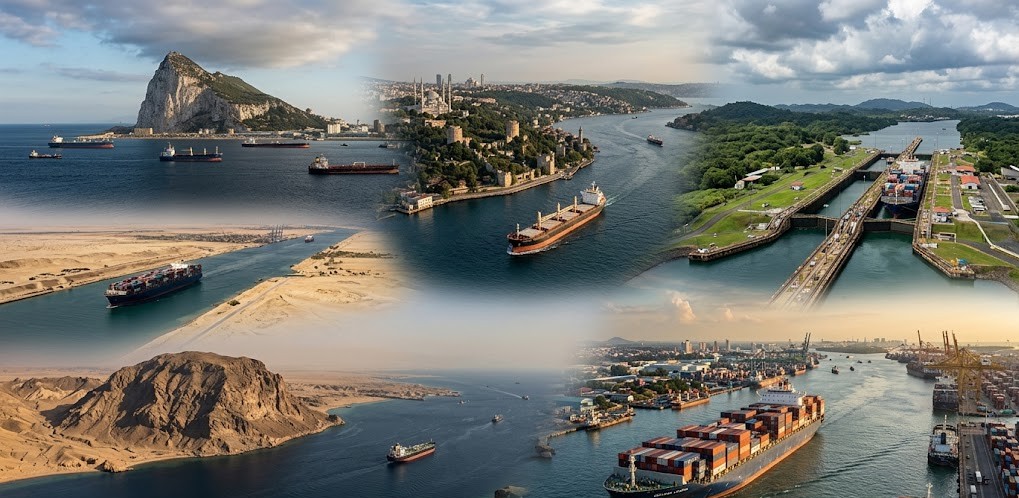
The architecture of global commerce rests upon a series of narrow maritime corridors known as chokepoints. These geographical constraints: straits and canals facilitate the movement of approximately 80% of global trade by volume. As of 2026, the reliance on these passages has intensified, driven by the expansion of just-in-time manufacturing and the globalization of energy markets. However, the physical narrowness of these routes creates systemic vulnerabilities. Any disruption, whether caused by geopolitical conflict, piracy, or vessel accidents, triggers immediate inflationary pressures and supply chain volatility across the globe.
1. The Strait of Hormuz: The Global Energy Pivot
Located between Oman and Iran, the Strait of Hormuz is the world’s most important oil transit chokepoint. It connects the Persian Gulf with the Gulf of Oman and the Arabian Sea. Despite technological shifts toward renewable energy, the global economy remains tethered to the hydrocarbons that pass through this narrow waterway.
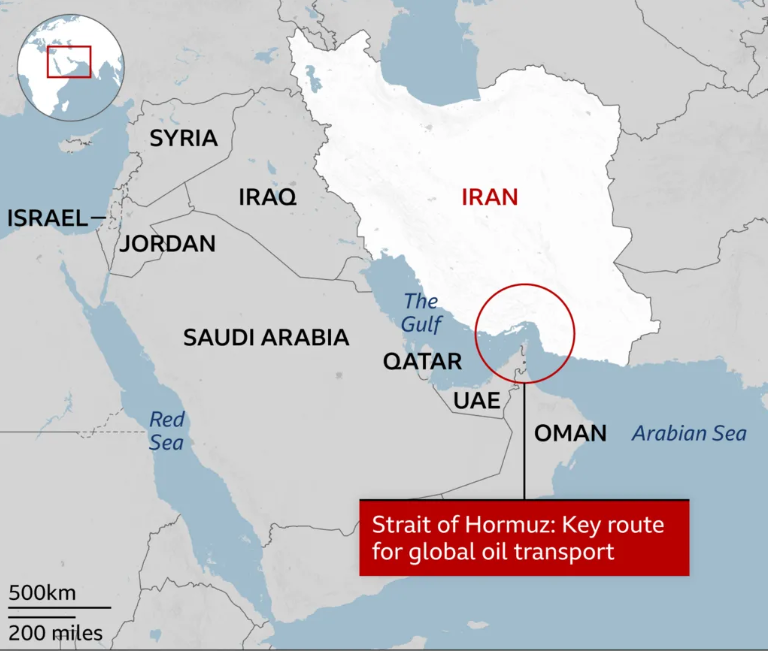
Source: BBC
Energy Security and Volume
In 2025, an average of 21.5 million barrels of oil per day (bpd) moved through the Strait of Hormuz, representing roughly 21% of global petroleum consumption. Beyond crude oil, the strait is the primary exit point for liquefied natural gas (LNG) from Qatar, accounting for nearly 20% of the world’s LNG supply.
The geography of the strait is particularly restrictive. The shipping lanes consist of two-mile-wide channels for inbound and outbound traffic, separated by a two-mile buffer zone. This proximity makes commercial vessels susceptible to surface-to-sea missiles and naval blockades.
Economic Implications of Disruption
A total closure of the Strait of Hormuz is estimated by the International Energy Agency (IEA) to cause an immediate $30 to $50 increase in the price of a Brent crude barrel. The secondary effects would include a surge in global shipping insurance premiums and a significant contraction in the GDP of energy-importing nations in East Asia, specifically China, India, and Japan.
2. The Strait of Malacca: The Indo-Pacific Nexus
The Strait of Malacca, situated between the Malay Peninsula and the Indonesian island of Sumatra, serves as the primary gateway for trade between the Indian Ocean and the Pacific Ocean. It is the shortest sea route between Middle Eastern energy suppliers and the industrial hubs of East Asia.
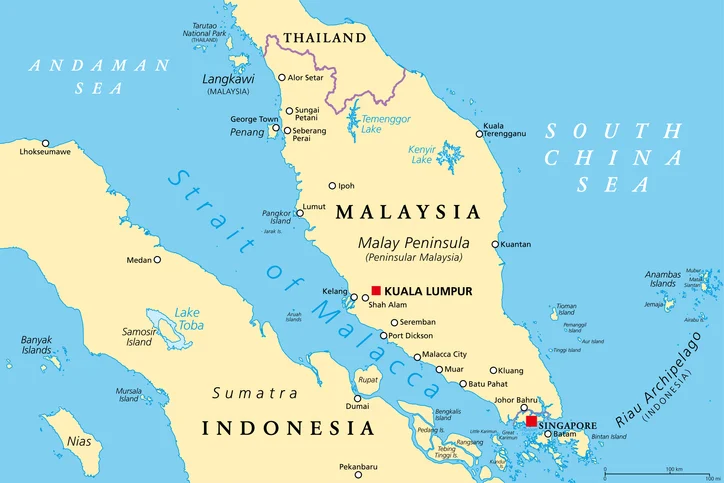
Source: ISMWorld
Traffic Density and Saturation
Current data from the Maritime and Port Authority of Singapore indicates that over 95,000 vessels transit the strait annually. As of early 2026, the strait handles an estimated 25% of all traded goods.
The primary risk in the Malacca Strait is not only geopolitical but operational. The strait narrows to just 1.5 nautical miles at the Phillips Channel in the Singapore Strait, creating one of the world's most difficult navigational environments. The sheer volume of traffic leads to congestion, increasing the risk of collisions that could physically obstruct the channel.
The "Malacca Dilemma"
For China, the strait represents a strategic vulnerability often referred to in policy circles as the "Malacca Dilemma." Approximately 70% of China’s oil imports pass through this corridor. Any blockage would necessitate a detour around the Indonesian archipelago through the Sunda or Lombok Straits, adding roughly 3,500 miles and significant fuel costs to every voyage, effectively raising the price of consumer goods worldwide.
3. The Suez Canal and the Bab al-Mandab: The Euro-Asian Link
The Suez Canal, combined with the Bab al-Mandab Strait at the southern entrance of the Red Sea, forms the vital link between Europe and Asia. This corridor eliminates the need for vessels to circumnavigate the African continent.
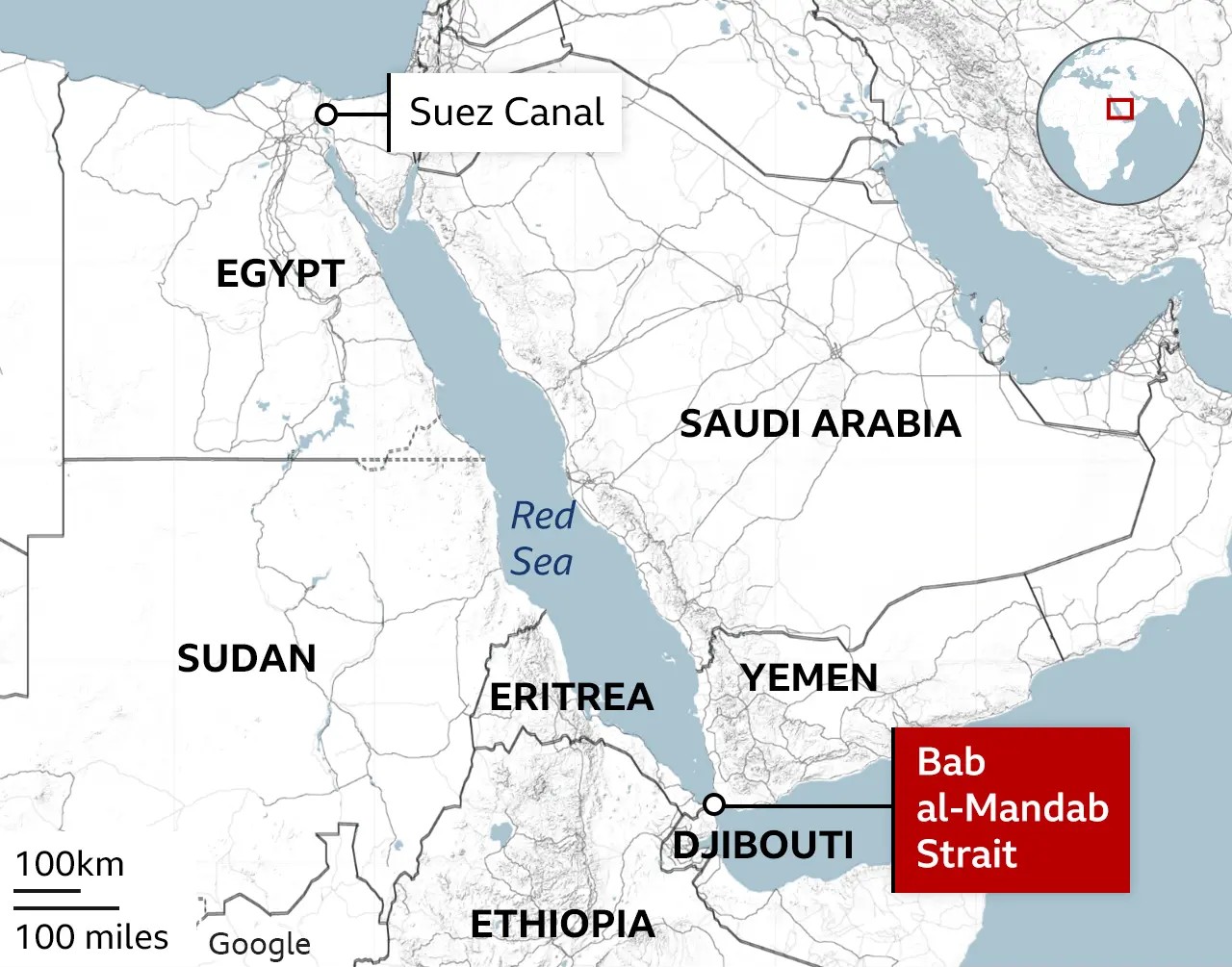
Source: BBC
Recent Volatility and Transit Shifts
Following the disruptions of 2024 and 2025, the Red Sea corridor has seen fluctuating volumes. According to the UNCTAD Review of Maritime Transport 2025, Suez Canal transits dropped significantly during periods of regional instability, with many carriers opting for the Cape of Good Hope route.
Suez Canal: Handles 12% to 15% of global trade.
Bab al-Mandab: Measures only 18 miles wide at its narrowest point.
The economic cost of avoiding these passages is substantial. Diverting a mega-container ship around Africa adds approximately 10 to 14 days to the journey and consumes an additional $1 million in fuel.
Structural Vulnerability
The 2021 Ever Given incident demonstrated that even a non-military disruption can freeze $9.6 billion worth of trade per day. In 2026, as vessel sizes continue to increase to maximize economies of scale, the margin for error in the Suez Canal remains dangerously slim.
4. The Strait of Gibraltar: The Mediterranean Gateway
The Strait of Gibraltar is the sole natural link between the Atlantic Ocean and the Mediterranean Sea. Controlled by the United Kingdom (Gibraltar), Spain, and Morocco, it is a critical artery for European and North African trade.
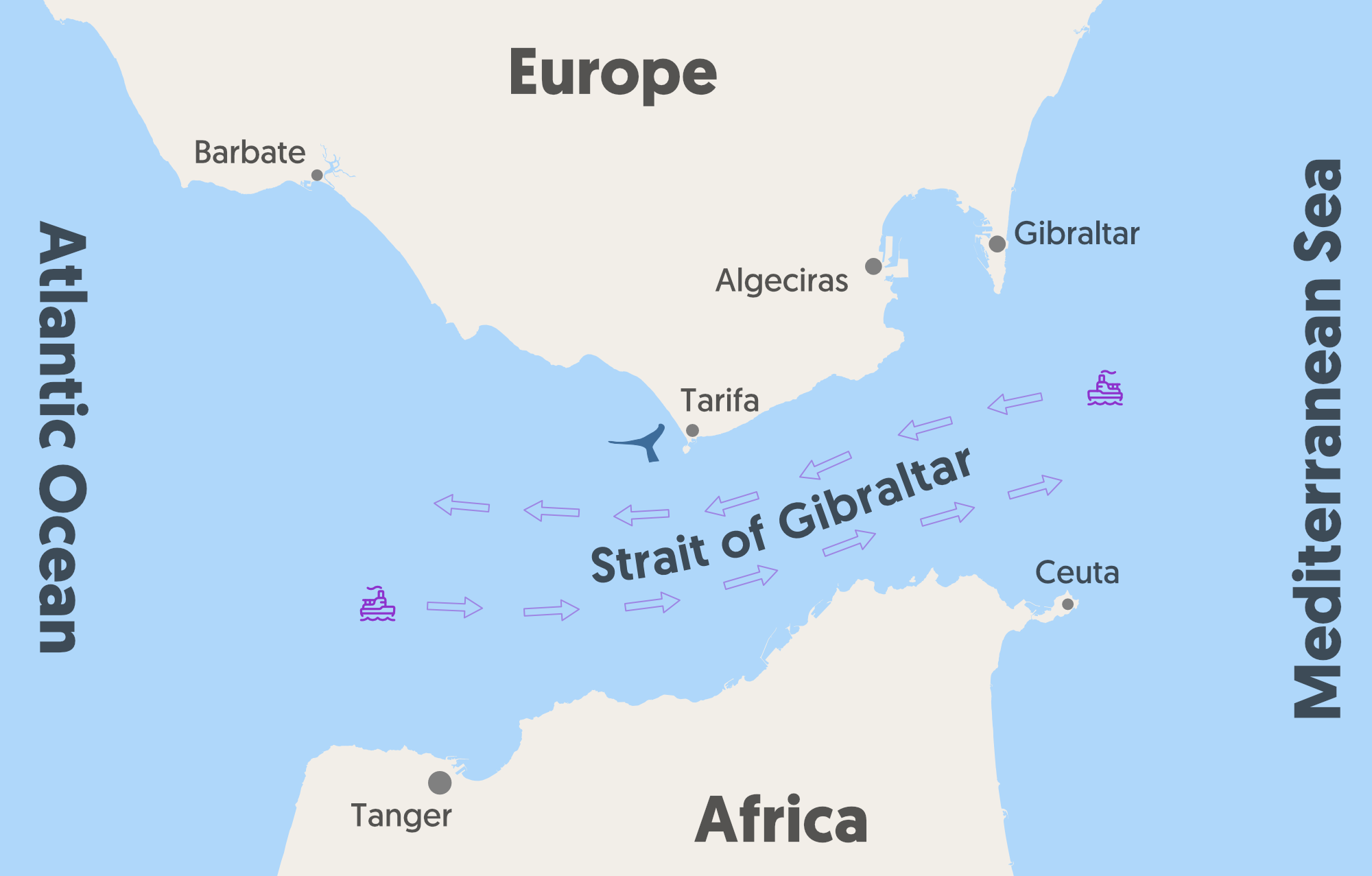
Source: Firmm
Strategic Importance
Approximately 300 ships pass through the strait every day, or one vessel every five minutes. It serves as the entry point for nearly all maritime trade destined for Mediterranean ports, including major hubs in Italy, Greece, and North Africa.
"The Strait of Gibraltar remains a fundamental pillar of European economic sovereignty, acting as the primary conduit for 80% of the Mediterranean's maritime imports." — European Maritime Safety Agency (EMSA), 2025 Report
Logistics and Bunkering
Gibraltar is also one of the world’s most significant bunkering (refueling) hubs. A disruption here would not only stop the flow of goods but would also strand hundreds of vessels requiring fuel to continue their Atlantic or Indian Ocean transits.
5. The Turkish Straits: The Black Sea Vent
The Bosporus and the Dardanelles, collectively known as the Turkish Straits, connect the Black Sea to the Aegean and Mediterranean. These waterways are governed by the 1936 Montreux Convention, which regulates the passage of naval and commercial vessels.
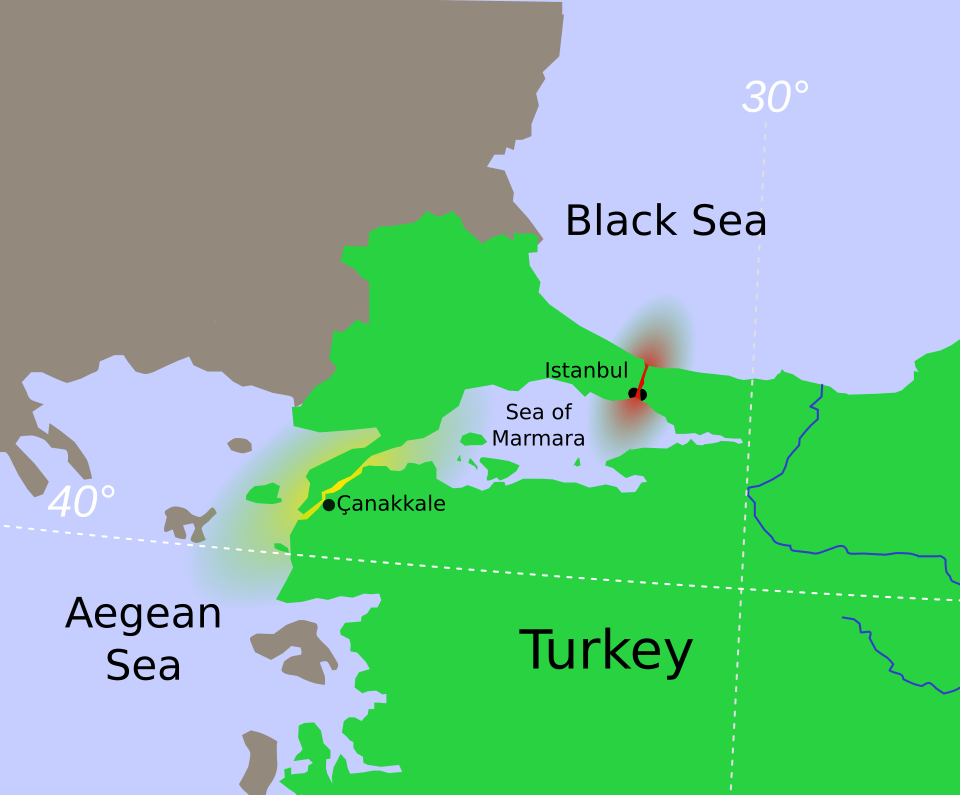
Source: Wikipedia
Food and Energy Security
The Turkish Straits are indispensable for global food security. They facilitate the export of grain from the "breadbasket" regions of Ukraine and Russia. In 2025, over 45 million tons of grain moved through these waters.
Furthermore, the Bosporus is a major artery for Caspian Sea oil. However, the strait is notoriously difficult to navigate; it features 13 sharp turns and currents that can reach 7 to 8 knots. Physical transit is limited by the fact that the Bosporus bisects the city of Istanbul, meaning an environmental disaster or a tanker spill would have catastrophic urban and economic consequences.
6. The Panama Canal: The Western Hemisphere’s Pivot
While technically a man-made waterway rather than a natural strait, the Panama Canal functions as a critical maritime chokepoint connecting the Atlantic and Pacific Oceans. It is essential for trade between the U.S. East Coast and East Asia, as well as West Coast South American trade with Europe.
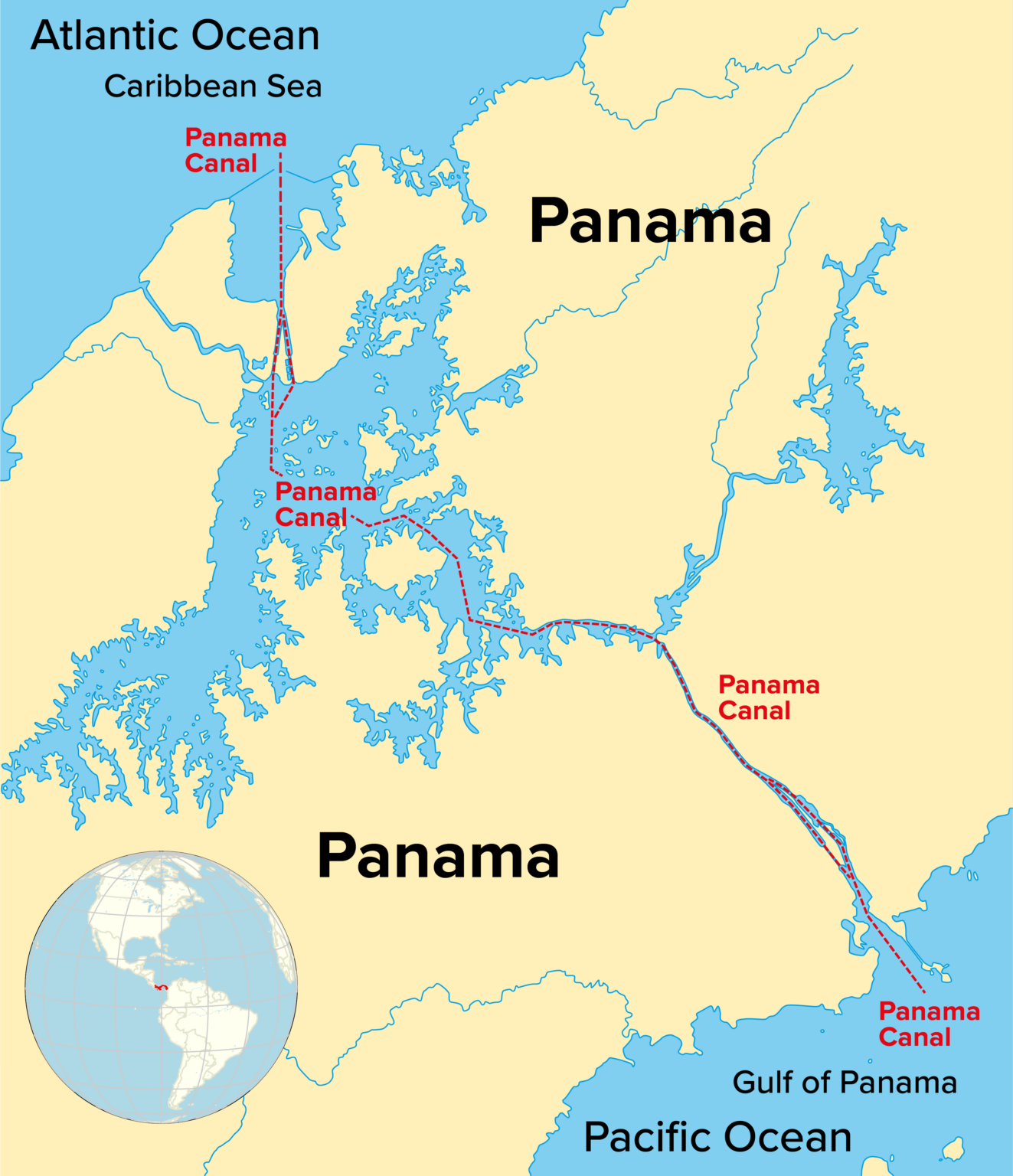
Source: Atlantic Council
Climatic Constraints
In 2024 and 2025, the Panama Canal faced unprecedented challenges due to drought conditions affecting Gatun Lake, the freshwater source used to operate the locks. This led to "draft restrictions," meaning ships had to carry less cargo to sit higher in the water.
Trade Volume: The canal facilitates 6% of global trade.
Capacity: Roughly 13,000 to 14,000 vessels transit annually.
Financial Impacts
When capacity is restricted, the Panama Canal Authority implements a "booking slot auction" system. In late 2024, some carriers paid upwards of $4 million just for a single transit slot, in addition to standard tolls. These costs are invariably passed down to consumers, contributing to global inflationary cycles for electronics, grain, and liquefied petroleum gas (LPG).
The Economics of Fragility
The interconnectedness of these straits means that a crisis in one often compounds the strain on others. For instance, a disruption in the Suez Canal forces traffic toward the Cape of Good Hope, which in turn increases the demand for bunkering services in Gibraltar and Las Palmas.
The global economy operates on a "Just-in-Time" delivery model. This system minimizes inventory costs but assumes that maritime corridors will remain open and predictable. The events of the last decade have proven this assumption to be increasingly fragile. As of 2026, the maritime industry has seen a 15% increase in operational costs specifically attributed to "chokepoint risk" premiums and the need for more resilient, albeit longer, supply chain routes.
Conclusion
The six maritime straits discussed are not merely geographical features; they are the fundamental infrastructure of modern civilization. Their continued functionality is a prerequisite for global price stability and energy security. However, the convergence of climate change, aging infrastructure, and shifting geopolitical alliances has made these corridors more precarious than at any point in the post-war era. Maintaining the flow of trade through these chokepoints requires not only naval security but a coordinated international effort to diversify trade routes and invest in the maritime technology of the future.
Comments (0)
No comments yet. Be the first to comment!