Pak Imtehan CSS & PMS App
CSS Current Affairs
Title: Russia's Nuclear Plants Are Ageing. Who Will Pay to Dismantle Them?
Writer: Arshak Makichyan
Published in: Al Jazeera
Date of publication: 4 October 2026
A nuclear power plant does not simply stop being dangerous when it stops producing electricity. Its reactor, its spent fuel and much of its concrete and steel stay radioactive for decades, and in some cases for thousands of years. Closing such a plant safely is a long engineering project in its own right, known as decommissioning: removing the fuel, cleaning contaminated parts, demolishing structures and storing the waste where it can harm no one. It is slow, technically demanding and enormously expensive.
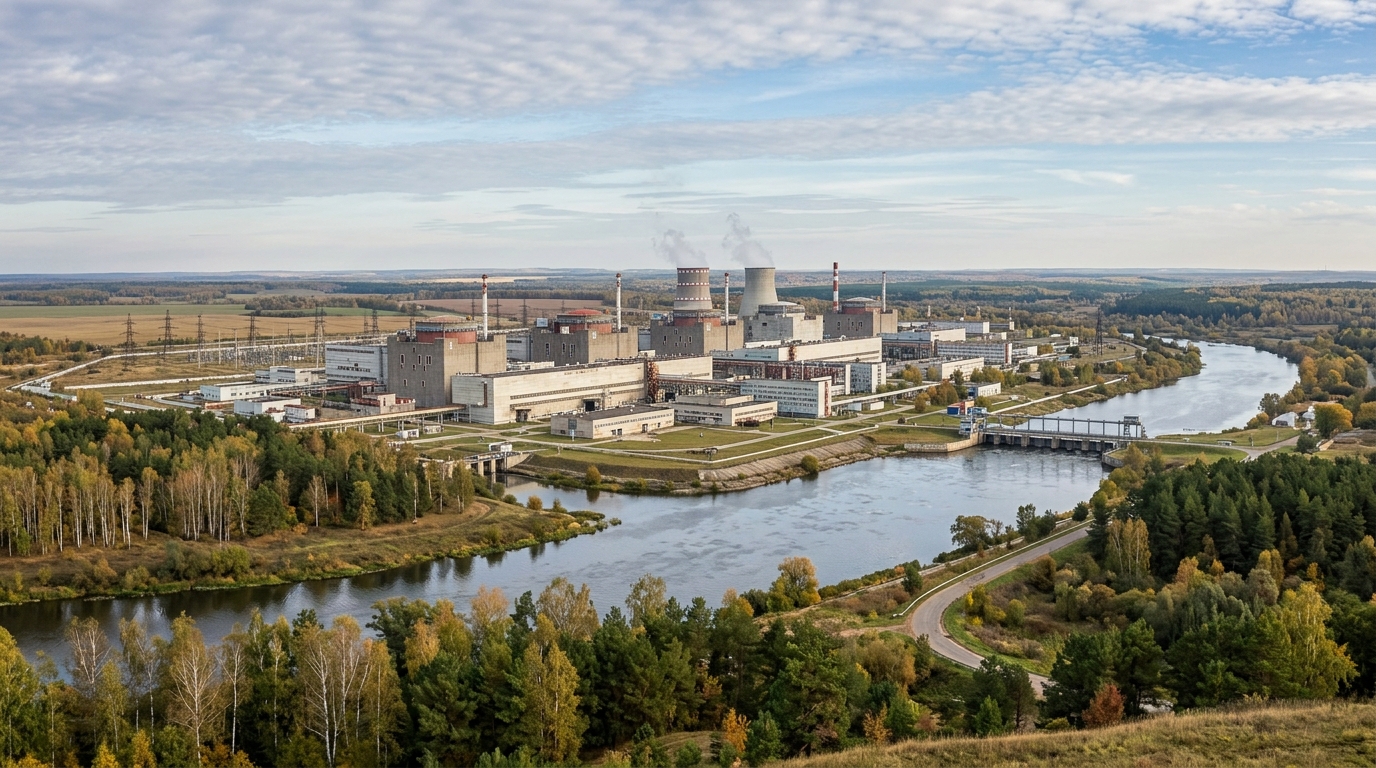
The world worries a great deal about Russia's nuclear weapons. Far less attention goes to a quieter risk inside Russia itself: a fleet of ageing civilian reactors, some more than 50 years old, approaching the end of their working lives with no clear plan to pay for their retirement.
I. What Does It Actually Cost to Close a Reactor?
The best guide comes from a former Soviet republic. Lithuania inherited two Soviet-built reactors at the Ignalina Nuclear Power Plant, and as a condition of joining the European Union it had to shut them down. The first reactor closed in 2004 and the second in 2009.
What followed is a warning to every country with old reactors:
By 2020, the estimated decommissioning cost had reached 3.3 billion euros (about $3.7 billion).
Only 49 per cent of the planned work had been completed by then.
The finishing date slipped from 2038 to 2049, an extra eleven years.
Germany offers an even starker case. Dismantling the former nuclear plant at Lubmin was first estimated at 1 billion euros; the current estimate is 10 billion euros. A tenfold rise shows that early estimates for decommissioning are usually far too optimistic.
II. How Large Is Russia's Gap?
Russia's reactors are run by Rosenergoatom, a subsidiary of Rosatom, the state nuclear corporation that controls the country's entire civilian nuclear industry. Rosenergoatom plans to decommission 35 reactors. By its own figures, the total cost will be about 21 billion euros, and the money set aside falls short by roughly 18.7 billion euros. In plain terms, close to nine-tenths of the bill is not covered.
These are the company's own projections. Given the Lithuanian and German experience, the real cost is likely to be much higher.
Russia has chosen to delay rather than confront the problem. Instead of dismantling reactors soon after shutdown, it often places them in long-term "safe" storage, sealing them and leaving the expensive work for later. This approach, called deferred dismantling, does not reduce the cost. It only pushes the bill onto future budgets and future generations, while the plants continue to age.
The environmental organisation Bellona Foundation, drawing on Rosatom's own projections, estimates that by around 2037, Rosatom's decommissioning and clean-up obligations could exceed its net profit. At that point, the company would be spending more on the past than it earns in the present.
III. Where Will the Waste Go?
Money is only one side of the problem. The other is radioactive waste.
Russia inherited about 774,000 cubic metres of radioactive waste from the Soviet Union.
Decommissioning 36 reactor units at eight nuclear power plants is expected to add about 800,000 cubic metres more.
Together, that comes to more than 1.5 million cubic metres, more than double the existing stockpile.
Russia has seen what happens when industries walk away from their damage. In the Kemerovo region, which produces around half of the country's coal, mountains of mining waste scar the land, and some of them burn, polluting nearby towns. When coal firms go bankrupt, the clean-up falls on the state and on local residents. Radioactive material is different: it cannot be abandoned when the money runs out.
IV. Why Is This a Problem Beyond Russia's Borders?
Three developments turn a domestic issue into an international one.
First, Russia is a major exporter of nuclear power. It is building plants in countries such as Türkiye and Bangladesh and presents nuclear energy as a "sustainable" alternative to fossil fuels. Those host countries depend on Russian technology, fuel and expertise for the full life of each plant, including its eventual closure. If Russia's finances or politics change suddenly, as they have before, these countries could be left with reactors they cannot maintain or dismantle alone. They need a contingency plan for that possibility.
Second, environmental priorities in Russia are falling. To sustain its war economy, the government has weakened environmental regulations. National defence is now the largest single item in the federal budget, while environmental protection receives only a small share. The country also relies on an ageing "shadow fleet" of tankers that move oil outside the reach of sanctions. In 2024, two ageing Russian tankers spilled thousands of tonnes of fuel oil into the Black Sea, described as the region's worst environmental disaster in decades.
Third, the people who could raise the alarm are being silenced. Bellona and Greenpeace have been declared "undesirable" organisations in Russia. EcoDefence, a group that campaigned on nuclear issues, has been labelled a "foreign agent", and its members have faced criminal prosecution. A recent report by the Environmental Crisis Group describes how repression and the departure of experts have badly weakened Russia's environmental movement.
V. What Does History Say About Secrecy?
The Soviet record shows where concealment leads.
In 1957, an explosion at the Mayak nuclear facility contaminated a wide area. The authorities hid the accident and did not publicly admit it until 1989, more than three decades later, while thousands of people lived with the consequences of radiation.
In 1986, the Chornobyl disaster was again met with attempts to suppress information and minimise its scale. That secrecy deepened public distrust and fed the social and political unrest of the late Soviet years.
The same combination is visible today: ageing infrastructure, weak oversight and a state that discourages independent scrutiny. If an accident occurred, its true scale might stay hidden for years.
VI. What Should the World Do?
Europe has kept doing business with the Russian nuclear sector, which has largely escaped the sanctions imposed on Russian oil and gas. Exiled activists from EcoDefence, working with German campaigners, argue that this dependence on Russian nuclear technology and services could itself become a lever for sabotage or political pressure.
Several steps follow from this analysis:
Countries hosting Russian-built reactors should prepare independent plans for maintenance and decommissioning.
International forums, including the UN climate conferences (COPs), where Russian nuclear lobbyists are active, should demand transparency on decommissioning funds and waste management.
Importing states should write decommissioning finance and waste responsibilities into contracts from the start.
Support for independent environmental monitoring, including groups working from exile, should continue.
Russia's nuclear industry is selling the future while leaving the cost of its past unpaid. Ageing reactors, a growing waste stockpile and official secrecy make this a shared international risk, not a private Russian affair.
Exam Essentials
1. Key Facts and Figures
Ignalina (Lithuania): reactors closed in 2004 and 2009; cost 3.3 billion euros by 2020 with 49 per cent of work done; completion moved from 2038 to 2049
Lubmin (Germany): cost estimate rose from 1 billion to 10 billion euros
Rosenergoatom: plans to decommission 35 reactors; total cost about 21 billion euros; shortfall about 18.7 billion euros
Around 2037: Rosatom's obligations could exceed its net profit (Bellona)
774,000 cubic metres of Soviet-era radioactive waste; 800,000 cubic metres more expected from 36 reactor units at eight plants
Kemerovo: produces around half of Russia's coal
2024: Black Sea oil spill from two ageing tankers
Mayak, 1957: concealed until 1989; Chornobyl, 1986
2. Key Terms
Decommissioning: the process of safely shutting down and dismantling a nuclear facility
Deferred dismantling: sealing a closed reactor for many years before demolition
Radioactive waste: material that emits harmful radiation and needs long-term isolation
Rosatom: Russia's state nuclear corporation
Shadow fleet: ageing tankers used to move oil outside sanctions regimes
"Undesirable organisation": a Russian legal label that bans a group's activities
"Foreign agent": a Russian designation that restricts and stigmatises an organisation
Nuclear diplomacy: the use of nuclear energy exports to build political influence
3. Related Subjects
Environmental Science: nuclear waste, pollution, energy transition
International Relations: energy as a tool of influence, sanctions, Russia's foreign policy
Energy Policy: nuclear power, life-cycle costs, energy security
Governance: transparency, regulation, civil society
Current Affairs: Russia-Ukraine war economy, European energy dependence
4. Useful Arguments
The true cost of nuclear power includes decommissioning, which is often ignored at the start.
Delaying dismantling shifts both cost and risk onto future generations.
Energy exports can create long-term dependence and political leverage.
Secrecy turns technical accidents into political crises.
Civil society is a safety mechanism; silencing it raises the risk of disaster.
Importing countries must plan for the full life cycle of a reactor, from construction to closure.
5. Probable Questions
Nuclear energy is often presented as a clean alternative to fossil fuels. Critically assess its long-term environmental and financial costs.
How do energy exports serve as instruments of foreign policy? Discuss with reference to Russia's nuclear industry.
"Transparency is the first line of nuclear safety." Discuss in light of historical nuclear accidents.
6. One Quotable Line
"A reactor's last day of power is the first day of a bill that can run for generations."
Comments (0)
No comments yet. Be the first to comment!