CSS & PMS Exam App
Pak Imtehan
Title: Leverage Has Limits
Writer: Dr Ikramul Haq
Published in: The Express Tribune
Date of publication: 3 October 2026
1. The Petrodollar Theory
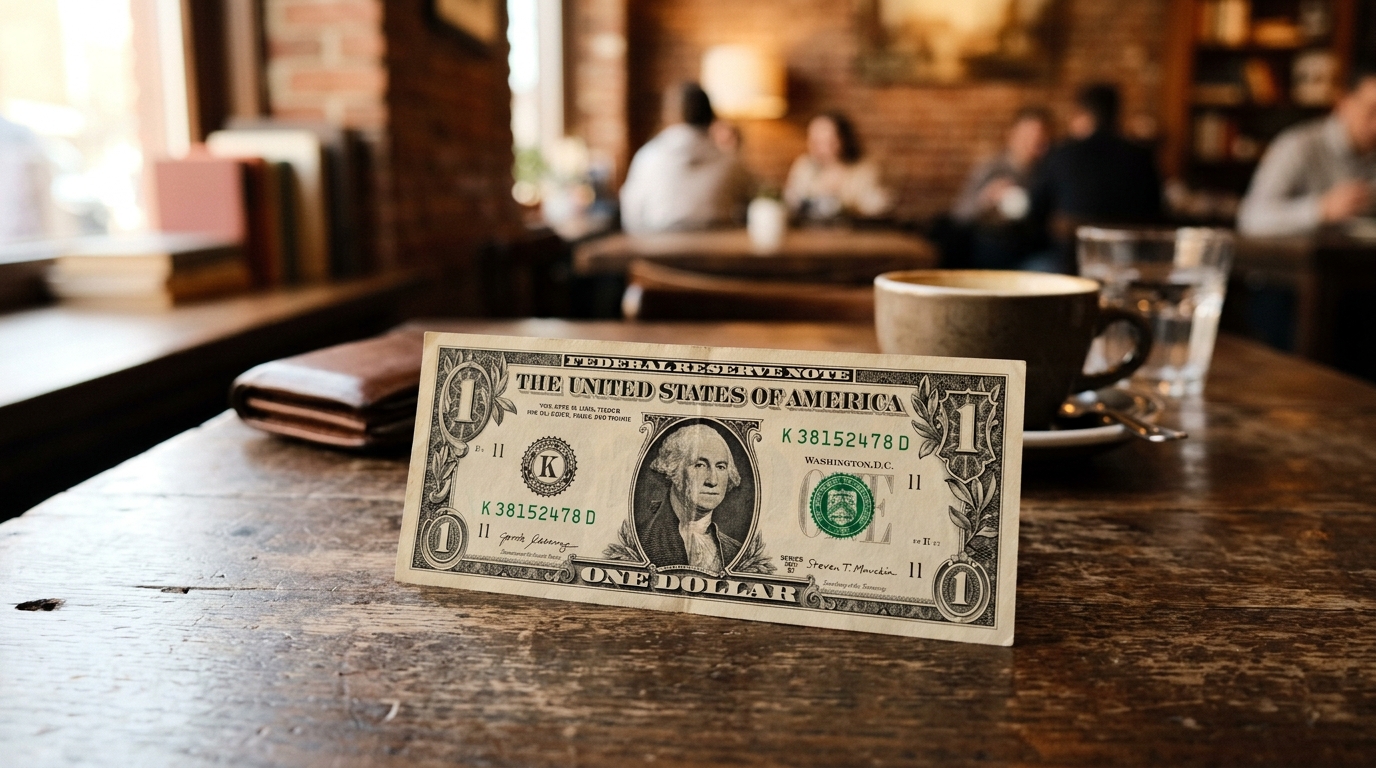
Since around 2012, a popular theory has explained American hostility towards Iran as a defence of the "petrodollar". The term refers to the system in which global oil sales are priced and settled in US dollars. Because every country needs oil, every country needs dollars, which keeps global demand for the American currency high and allows the United States to borrow cheaply.
Supporters of the theory point to a pattern: Iraq began selling oil in euros, Libya explored alternative currency arrangements, and Iran sought non-dollar trade settlements, and each later faced American pressure or military action. The pattern appears convincing, but it is too simple. Oil helped build the dollar's global role, yet it never explained the whole system. The more useful question is not whether oil keeps the dollar strong, but how the United States uses the monetary power the dollar gives it.
2. Why the Dollar Still Dominates
The dollar remains the world's leading currency by a wide margin. According to the International Monetary Fund (IMF), the dollar made up 57.13 per cent of disclosed global foreign exchange reserves in the first quarter of 2026. Foreign exchange reserves are the foreign currencies that central banks hold to pay for imports, repay debts and defend their own currencies. More than half of these savings worldwide are still kept in dollars.
The US Federal Reserve, the American central bank, identifies the deeper sources of this dominance:
Large and liquid financial markets, where assets can be bought and sold quickly in huge volumes
Safe assets, especially US government bonds, regarded as secure stores of value
Convertibility, meaning the dollar can be freely exchanged for other currencies
Institutional credibility, built on stable legal and financial institutions
Network effects, the advantage that comes from everyone else already using the same currency
These foundations explain why the dollar will not collapse simply because some oil is now paid for in Chinese yuan, Indian rupees or Russian roubles.
3. The Double Edge of Financial Power
Because so much of global finance passes through American banks and institutions, the United States can impose sanctions with exceptional force. Sanctions are penalties, such as freezing assets or cutting access to the banking system, used to pressure governments or entities without military action. Being shut out of the dollar system can cripple a country's trade.
This power is useful, but it can be overused. The more the dollar system is turned into a geopolitical weapon, the stronger the incentive for other countries to build alternatives. This explains the growing interest in:
Local-currency settlement, where two countries trade in their own currencies instead of dollars
Alternative payment channels that bypass American-controlled networks
Reserve diversification, where central banks hold a wider mix of currencies and assets such as gold
None of these yet replaces the dollar. They act as insurance against dependence on a single centre of power.
4. The Middle East Case: China as Quiet Mediator
A recent development in the Middle East shows this shift more clearly than any declaration by BRICS, the bloc of emerging economies originally formed by Brazil, Russia, India, China and South Africa.
Saudi Arabia asked China to help restrain Yemen's Houthis, an armed movement in Yemen backed by Iran, after their advance increased pressure on shipping around the Bab el-Mandeb. This narrow strait connects the Red Sea to the Gulf of Aden and carries a large share of trade between Asia and Europe. Beijing then pressed Tehran privately.
China's influence here is economic rather than military:
China buys most of Iran's seaborne oil, making it Iran's most important customer.
China also has vast commercial and energy interests in Saudi Arabia and the wider Gulf.
China does not need to match American military power to matter diplomatically. Economic interdependence gives it leverage across relationships that cut through old alliances.
5. Ironies on Every Side
The situation is full of contradictions:
Iran gains short-term leverage when its allies threaten strategic sea lanes. Yet disruption in the Strait of Hormuz, the narrow passage through which much of the Gulf's oil reaches world markets, and in the Bab el-Mandeb also hurts China, the very power Iran depends on for oil sales and diplomatic support.
Saudi Arabia remains deeply tied to the United States for its security, yet it has turned to Beijing where Chinese economic influence can reach Tehran more effectively than American pressure.
These contradictions show that the region no longer fits a simple pattern of fixed camps.
6. Power Measured by Outcomes
The United States still holds overwhelming military and financial power. Yet the war with Iran remains unresolved more than six months after it began. This raises a harder question than whether the dollar is still number one.
Iran is not an innocent party. Its regional proxies (armed groups it supports in other countries), its missile capabilities and its nuclear activities have created genuine security concerns, and threats to commercial shipping impose costs on countries with no role in the conflict. Still, policy must be judged by its results. Decades of sanctions, covert confrontation and now open war have not produced a lasting political settlement.
The same test applies to financial policy. Sanctions may hurt an adversary today while strengthening the incentive to trade outside American-controlled channels tomorrow. Military force may destroy installations while generating new forms of asymmetric resistance, meaning conflict in which a weaker side uses unconventional methods to offset a stronger opponent's advantages. Power works, but what it produces matters more.
7. Leverage Versus Leadership
American influence after the Second World War was not built on aircraft carriers and sanctions alone. The United States also offered open markets, international institutions and financial assets that other countries actively wanted. That was leadership, because participation was largely voluntary.
Leverage is different: it depends on making refusal costly. A global order cannot be sustained indefinitely by making exit painful, and lasting peace in the Middle East cannot be built by keeping every adversary permanently weakened, sanctioned or bombed.
8. Implications and the Way Forward
The petrodollar theory misread the mechanism but its warning still holds. The real danger to American primacy is not a sudden global abandonment of the dollar. It is that more states begin to treat dependence on an American-centred system as a risk to be hedged.
Financial power works best when used sparingly, since overuse speeds the search for alternatives.
Economic interdependence is becoming a source of diplomatic influence, as China's role shows.
Middle powers such as Saudi Arabia increasingly balance between great powers rather than relying on one.
Durable peace requires political settlement, not only military or economic pressure.
China's quiet role between Saudi Arabia and Iran is a small but telling sign: the world may not be post-American, but it is already less exclusively American.
Exam Essentials
1. Key Facts and Figures
Around 2012: rise of the popular petrodollar theory linking US hostility to non-dollar oil sales
57.13 per cent: dollar's share of disclosed global foreign exchange reserves, first quarter of 2026 (IMF)
Iraq (euro oil sales), Libya (monetary alternatives), Iran (non-dollar settlements): cases cited by the theory
Saudi Arabia asked China to restrain the Houthis over pressure on Bab el-Mandeb shipping
China buys most of Iran's seaborne oil
US-Iran war unresolved for more than six months
2. Key Terms
Petrodollar: the practice of pricing and settling global oil trade in US dollars
Foreign exchange reserves: foreign currencies and assets held by central banks
Network effects: the added value of a system as more users adopt it
Sanctions: economic penalties used to pressure states without military force
De-dollarisation: efforts to reduce reliance on the US dollar in trade and reserves
Reserve diversification: holding a wider mix of currencies and assets in national reserves
Asymmetric resistance: unconventional tactics used by a weaker party against a stronger one
Hedging: reducing dependence on one power by building ties with others
3. Related Subjects
International Relations: hegemony, balance of power, hedging strategies
International Political Economy: currency power, sanctions, global financial order
Middle East Affairs: Iran-Saudi relations, Houthis, maritime chokepoints
US and China Foreign Policy: great power competition, economic statecraft
Economics: reserve currencies, exchange rates, central banking
4. Useful Arguments
The dollar's strength rests on institutions and markets, not oil alone.
Overusing sanctions accelerates the search for alternatives to the dollar.
Economic interdependence can generate diplomatic influence without military power.
Middle powers increasingly hedge between great powers instead of choosing one side.
Coercion can compel compliance but rarely produces durable political settlements.
Voluntary participation, not fear of exclusion, sustains a stable global order.
5. Probable Questions
"The future may not be post-American, but it is already less exclusively American." Discuss with reference to the Middle East.
Critically evaluate the use of financial sanctions as a tool of foreign policy and their impact on the global dominance of the US dollar.
How is economic interdependence reshaping China's diplomatic role in the Middle East?
6. One Quotable Line
"Leverage forces others to stay; leadership gives them reasons to want to."
Comments (0)
No comments yet. Be the first to comment!